
Select the system you are interested in
Precisely engineered fuel quality at the point of use
Industrial gas blending is a proven engineering solution used across power generation, glass production, metallurgy, food processing, and biomethane conditioning.
Whether the application requires a complete natural gas replacement, heating value stabilisation, methane number control, or a step-by-step transition to renewable fuels, a precisely engineered gas mixing system delivers the required fuel quality at the point of use - without burner modification or process interruption.
GasMix designs and supplies advanced gas mixing systems for technical gases and combustible gases across all industrial segments.
Controlled parameters
Where industrial gas blending systems are used
Gas blending systems are deployed wherever pipeline natural gas is unavailable, restricted in flow, inconsistent in quality, or subject to decarbonisation obligations.
No pipeline access
Natural gas grid connection is uneconomical or physically impossible.
Backup and peak shaving
Protection against gas supply interruptions or demand spikes.
Heating value fluctuations
Biomethane or low-calorific gas streams require enrichment before combustion.
Methane number compliance
Cogeneration engines and process gas applications require controlled knock resistance.
Decarbonisation targets
EU ETS, CBAM, ESG/CSRD-ESRS commitments require renewable gaseous fuel integration.
Traceable renewable share
Certified biomethane with GoO blended at a controlled, continuously measured ratio.
Typical end users: glass factories, power plants, metallurgical plants, food and confectionery manufacturers, cogeneration units, biomethane plants, and gas distribution operators.
Gas mixing system types
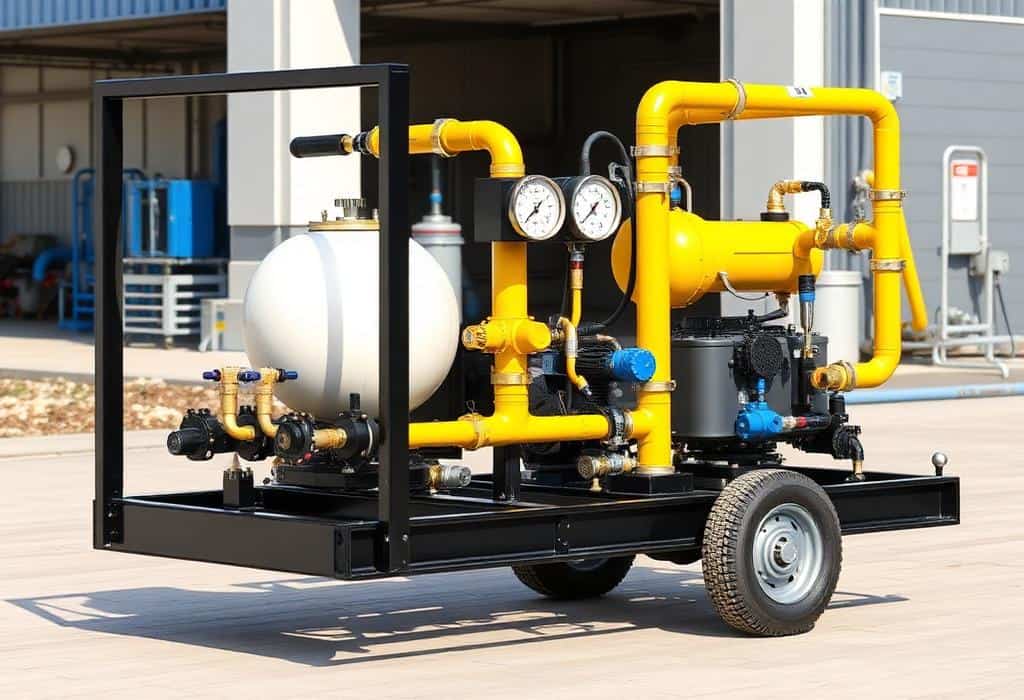
Gas Backup System / SNG Blending System
LPG + Air
On-site synthetic natural gas (SNG) production from LPG and compressed air, calibrated to match the Wobbe Index of pipeline natural gas. The system enables a seamless, automatic switchover from natural gas to SNG in the event of a grid outage - without any reconfiguration or burner replacement.
SNG is produced by blending LPG (propane, butane, or any propane/butane mixture, including BioLPG) with air in controlled volumetric proportions. The resulting Wobbe Index equivalence ensures combustion characteristics identical to natural gas.
Typical applications: Glass factories, cogeneration plants, industrial boiler rooms, residential district heating, food processing facilities.
Full technical specifications, process flow diagrams and calculators:
Heating Value Stabilisation / Enrichment System
NG + LPG
An LPG enrichment system doses liquefied petroleum gas in either liquid or gaseous phase - propane (Hs ≈ 100.53 MJ/Nm³) or a propane/butane mixture - into the natural gas stream in controlled proportions to achieve and maintain a stable target heating value and Wobbe Index at the system outlet.
This approach is widely used upstream of industrial process burners, glass furnaces, annealing ovens, and drying lines where combustion stability and heat input accuracy are critical.
Typical applications: Glass manufacturing, metallurgical heat treatment, biomethane conditioning, ceramic kilns.
Full technical specifications, process flow diagrams and calculators:
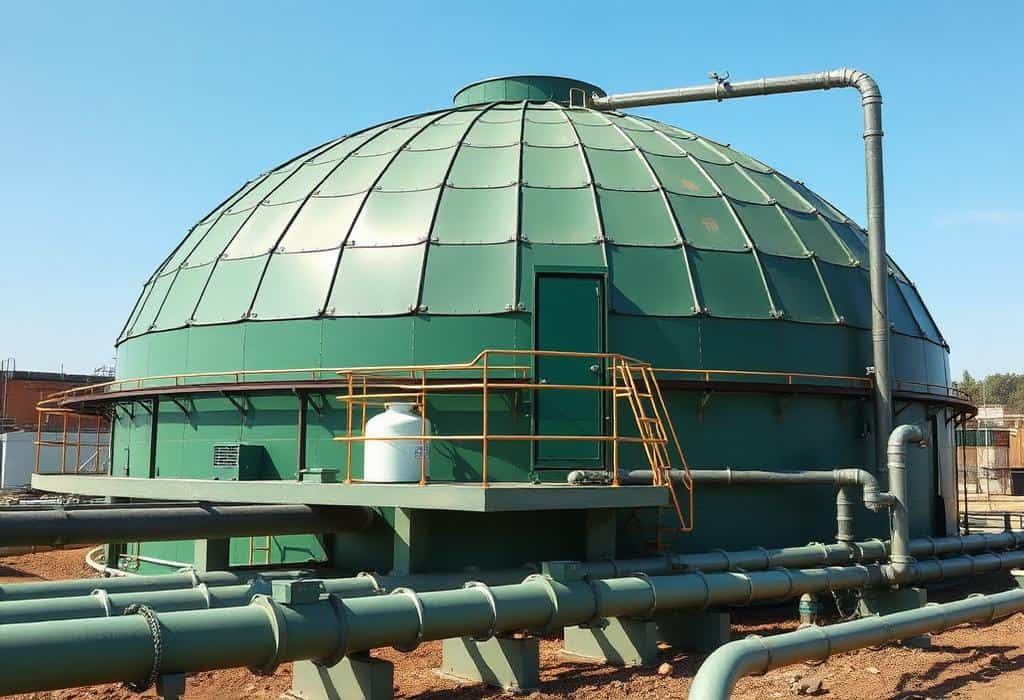
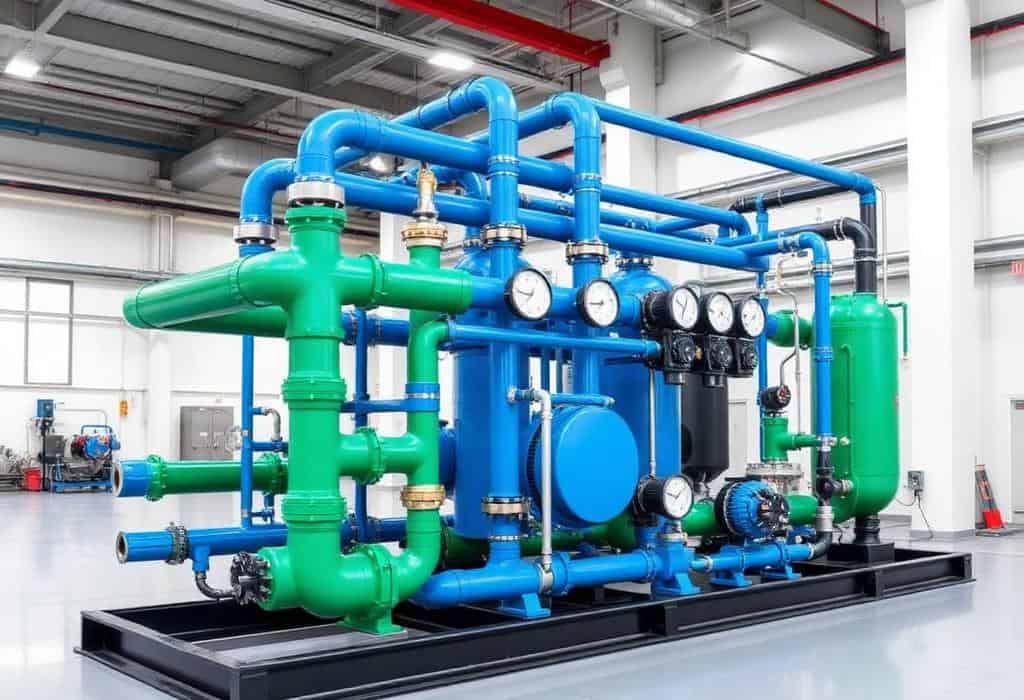
Heating Value Stabilisation - REDUCTION Systems
Biomethane (or NG) diluted with N₂ or Air
Injecting biomethane into nitrogen-rich natural gas networks requires precise control of the Wobbe Index and calorific value. Raw biomethane - upgraded from biogas - typically carries a higher heating value than the grid operator permits, so it must be conditioned down to the accepted calorific range before entering the distribution network.
Our REDUCTION systems blend certified biomethane (or natural gas) with nitrogen (N₂) at a precisely controlled ratio. The process is fully automated, continuously monitored via inline calorific value and Wobbe Index analysers, and adjusted in real time to keep the output within the contracted gas quality window.
Full technical specifications, process flow diagrams and calculators:
Methane Number Stabilisation System
Pyrolysis gas + CH₄
Gas engines and cogeneration units operating on syngas, pyrolysis gas, or process gas require a minimum methane number (MN) to prevent engine knock. Stabilisation systems blend the process gas stream with biomethane or natural gas to raise the MN to the setpoint required by the engine manufacturer.
Syngas and pyrolysis gas compositions vary considerably. Hydrogen-rich streams with MN as low as 23 can be blended with natural gas (MN ≈ 70–80) to reach engine-safe operating ranges (typically ≥ 40–50 MN). The blending ratio is controlled continuously from real-time MN calculation based on chromatographic or calorimetric data.
Full technical specifications, process flow diagrams and calculators:
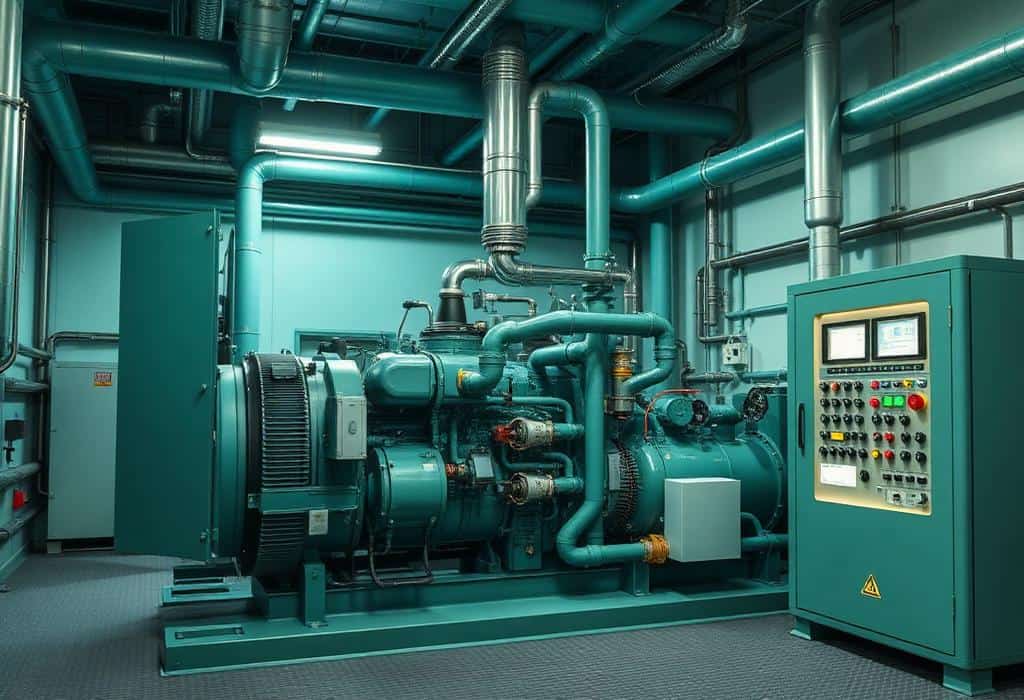
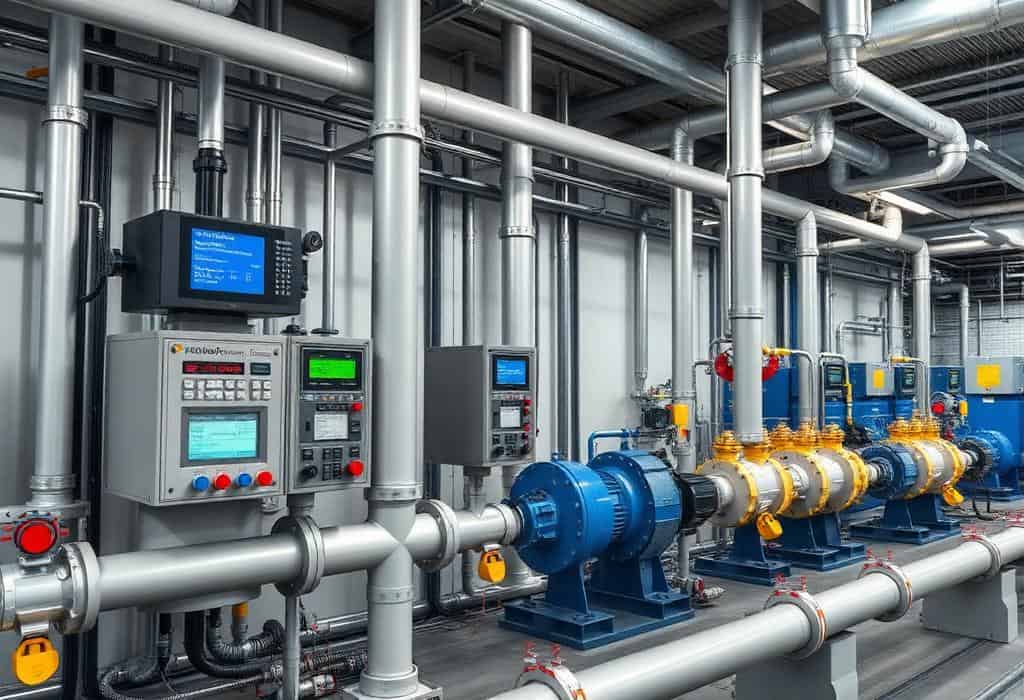
Energy Flow Control System
Supplementing a limited gas stream - SNG + NG
Where pipeline natural gas is available but supply is restricted - due to contract capacity limits, grid constraints, or seasonal peak demand - an SNG supplementation system injects on-site produced SNG into the natural gas stream to achieve a defined energy flow target (kWh/h or MJ/h) at the point of consumption.
The system controls the SNG injection ratio in real time based on measured NG flow and heating value, ensuring NG + SNG delivers the required energy output. This eliminates costly pipeline capacity upgrades and is classified as a peak shaving application.
Typical applications: Industrial facilities with capped gas contracts, district heating plants, glass furnaces during grid curtailment.
Full technical specifications, process flow diagrams and calculators:
CO₂ Reduction / Decarbonisation Blending System
BioSNG + NG, Biomethane + NG
Industrial gas consumers subject to EU ETS carbon allowance costs, CBAM border adjustment charges, or corporate ESG/CSRD-ESRS emission targets can reduce their Scope 1 CO₂ footprint by controlled blending of renewable gaseous fuels into the main gas stream.
Both fossil and renewable configurations use the same blender hardware platform, enabling an upgrade from fossil SNG to BioSNG without equipment replacement.
Full technical specifications, process flow diagrams and calculators:
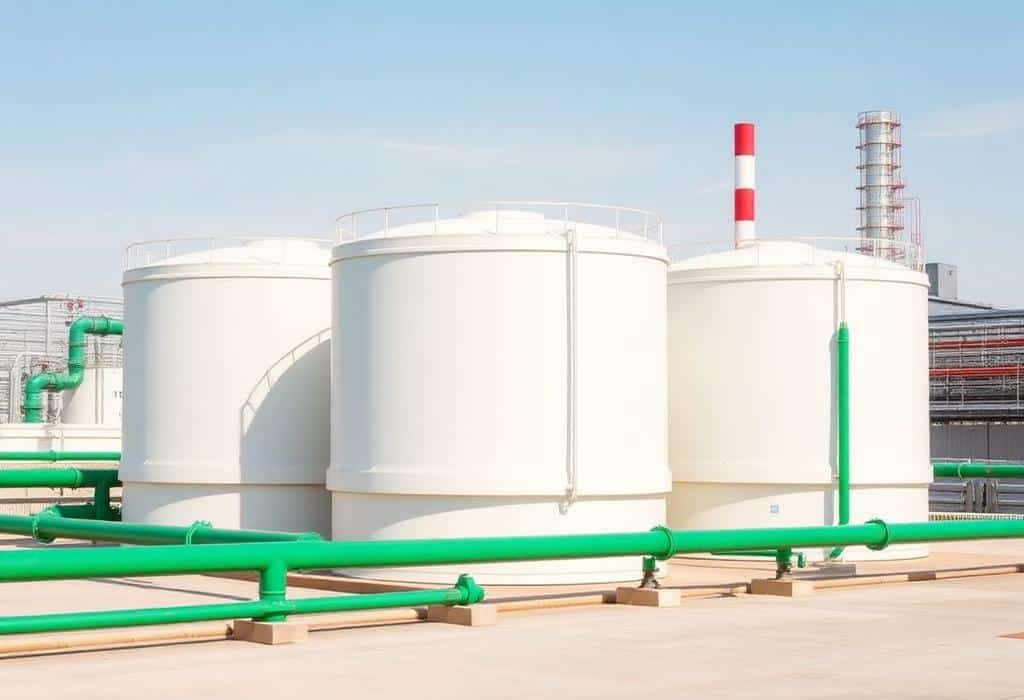
Renewable fuel blending configurations
Biomethane + NG blending
Certified biomethane (with HH certification and GoO) is injected into the natural gas stream at a controlled ratio. CO₂ emission intensity is reduced proportionally to the biomethane share.
Biomethane + SNG blending
Certified biomethane is blended with Synthetic Natural Gas at a controlled ratio, delivering a fully traceable renewable gas product. As SNG is produced on site from LPG + Air, combining it with biomethane creates a low-carbon solution fully compatible with existing installations.
BioSNG + NG (or SNG) blending
BioLPG (bio-propane from vegetable oils, animal fats, lignocellulosic biomass, glycerol, or organic waste) is blended with air to produce BioSNG, then mixed with the NG stream. BioLPG is chemically identical to fossil LPG (Hs ≈ 100.53 MJ/Nm³) but carries ≈ 9.20 kgCO₂/GJ per CBAM documentation published by KOBIZE (ISCC PLUS declaration), compared with 55.73 kgCO₂/GJ for natural gas.
Applicable regulatory frameworks
Design standards and certifications
All GasMix gas mixing systems are designed and manufactured in compliance with applicable European directives and standards.
ATEX Directive 2014/34/EU
Explosive atmosphere equipment classification
PED Directive 2014/68/EU
Pressure equipment design and testing
CE marking (2984)
Confirmed on all manufactured units
ISO 9001:2015
Quality management system certification
EN 437 / EN 16726
Gas quality for combustion appliances
EN 13611 / EN 161
Safety and control devices for gas burners
PN16 - PN40
Design pressure ranges
up to 23 bar
Pressure testing
±1.00%
Mixing accuracy across full flow range